The GPU Gambit That Launched a Revolution
A deep neural network obliterated the ImageNet competition by such a staggering margin that it forced an entire field to abandon its old methods overnight.
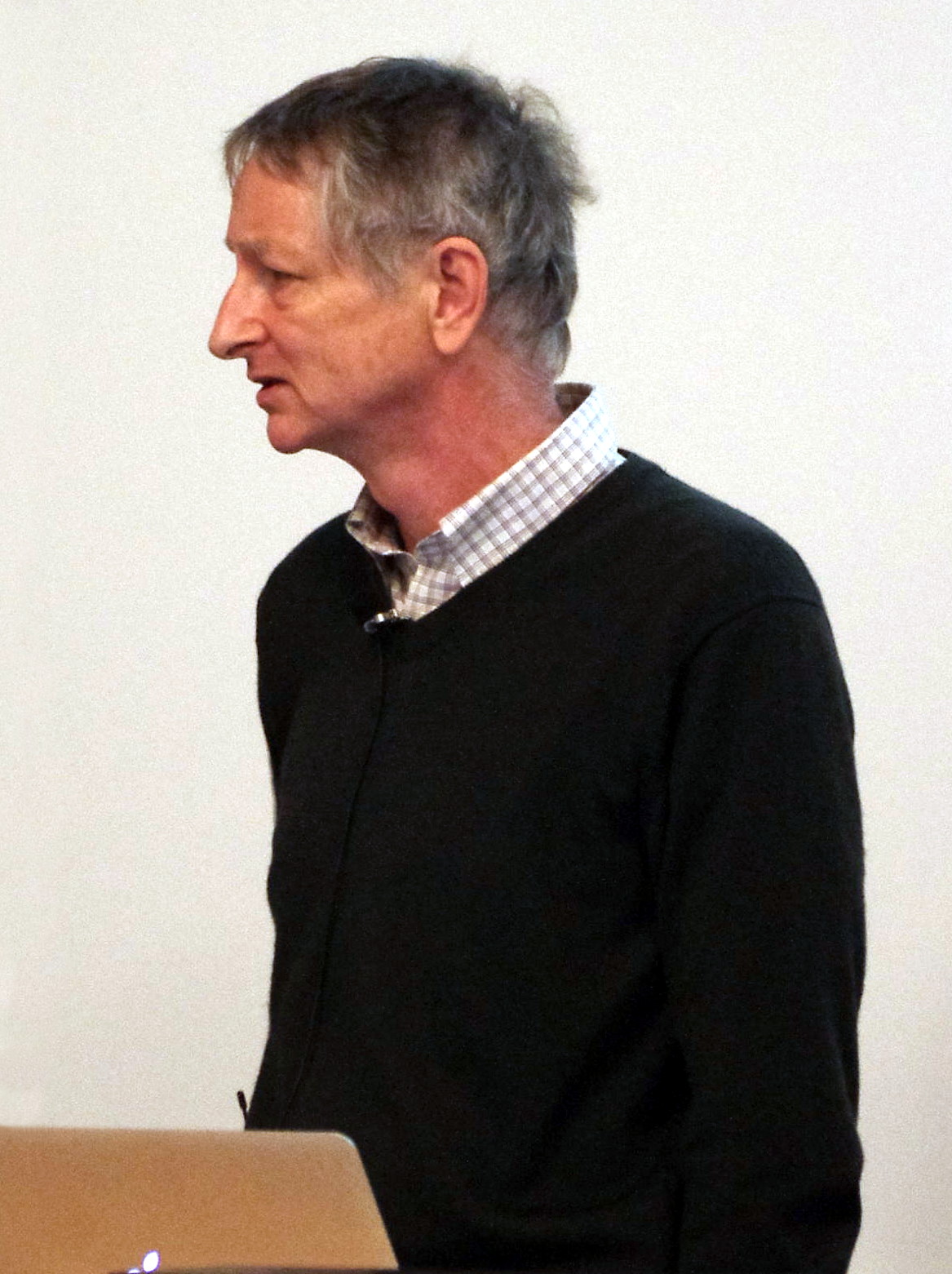
Cold Hawaii / CC BY-SA 2.0
It was so much better than anything else that it was not like a gentle, oh maybe deep learning is okay. It was like, whoa, what just happened?
— Jeff Dean
In 2012, Alex Krizhevsky, Ilya Sutskever, and Geoffrey Hinton’s AlexNet won the ImageNet Large Scale Visual Recognition Challenge, dramatically reducing error rates and proving the power of deep convolutional neural networks trained on GPUs.
What happened: In 2012, Alex Krizhevsky, Ilya Sutskever, and Geoffrey Hinton developed AlexNet, a deep convolutional neural network that achieved unprecedented success in the ImageNet Large Scale Visual Recognition Challenge. Their model, which contained 60 million parameters and 650,000 neurons, significantly outperformed traditional methods by nearly halving the error rate. This groundbreaking work demonstrated the potential of deep learning techniques when powered by GPUs. AlexNet - Wikipedia
Why it matters: The success of AlexNet marked a pivotal moment in the history of artificial intelligence, launching the modern deep learning era. It showed that deep neural networks could solve complex visual recognition tasks with remarkable accuracy, paving the way for significant advancements in computer vision and machine learning. This achievement redirected substantial research funding towards deep learning, solidifying its importance in the field. ImageNet Classification with Deep Convolutional Neural Networks (original paper)
Further reading:
Why This Mattered
AlexNet's victory in the 2012 ImageNet Large Scale Visual Recognition Challenge cut the error rate nearly in half compared to traditional methods, an unheard-of leap. It proved that deep convolutional neural networks trained on GPUs could dominate computer vision, triggering the modern deep learning boom and redirecting billions in research funding virtually overnight.