The Machine That Became Its Own Teacher
AlphaGo Zero mastered the ancient game of Go entirely through self-play, without any human knowledge — and surpassed all previous versions in just three days.

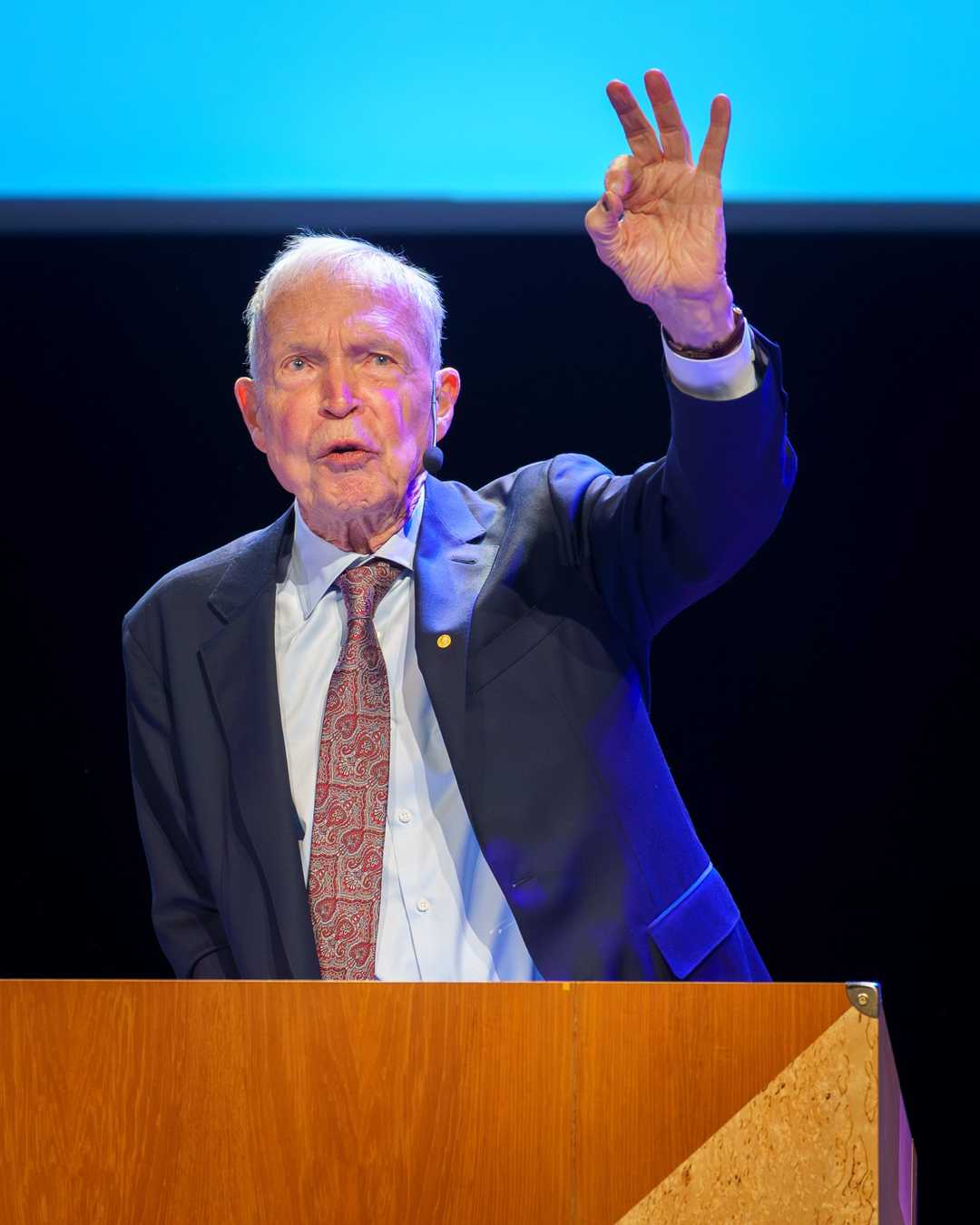
Steve Jurvetson / CC BY 2.0
It's more powerful than previous approaches because by not using human data, or human expertise in any fashion, we've removed the constraints of human knowledge and it is able to create knowledge itself.
— David Silver
The Machine That Became Its Own Teacher
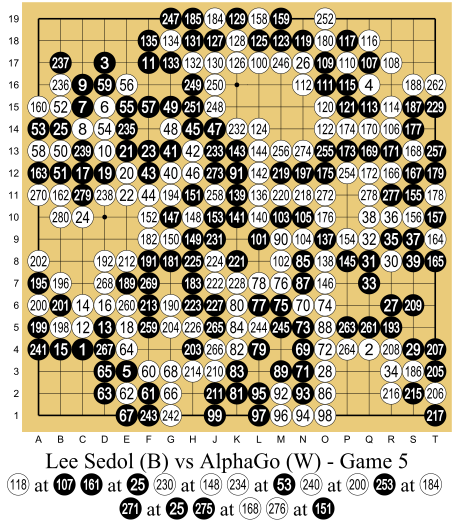
In 2017, DeepMind’s AlphaGo Zero emerged as a groundbreaking AI that surpassed its predecessor by mastering the complex game of Go through self-play alone, without any human data. Developed by David Silver, Julian Schrittwieser, Karen Simonyan, and Demis Hassabis, AlphaGo Zero achieved superhuman performance in just 40 days, defeating the original AlphaGo 100 games to 0 and discovering novel strategies never before seen in human play. This milestone demonstrated the potential for AI to surpass human knowledge and expertise, reshaping the future of machine learning research.
Why it matters: AlphaGo Zero’s success in 2017 showed that AI could achieve superhuman performance through self-play reinforcement learning, challenging the conventional reliance on human expert data. This breakthrough opened new avenues for AI development, proving that human knowledge can sometimes be a limiting factor rather than an asset.
Further reading:
Why This Mattered
AlphaGo Zero proved that superhuman performance could emerge from pure self-play reinforcement learning, with no training on human games at all. It defeated the original AlphaGo 100 games to 0 and discovered novel strategies humans had never conceived. The result demonstrated that human knowledge could be a limitation rather than an asset, reshaping how researchers approached AI training.